
The Fungus Among Us
Here at the Twin Home Experts call center, we get a variety of calls regarding the effects and removal of fungus. Here’s everything you need to know on the topic.
What Is Fungus?
Let’s first define what fungus is. There are about 144,000 known species of fungi, which include yeasts, rusts, smuts, mildews, molds, and mushrooms. There are so many fungus-like organisms that do not belong in the fungi kingdom including slime orange molds and water molds.
Twin Home Experts is a leader in the removal of carpet fungus, crawl space fungus and – the most dangerous to your home – Poria Incrassata.
Most mold experts all talk about the mold removal process, but very few talk about fungus removal. There is a huge difference between the remediation and removal of mold versus fungus treatment. We wanted to use this video as a visual case study as to why it’s important to hire the right fungi removal company versus hiring a mold removal company. Fungus is so aggressive and it will come back if not removed by experts.
Carpet Fungus
Also known as Peziza Domiciliana, this typically looks like a big pasta shells. Twin Home Experts typically sees carpet fungus sprout after several days of rainy weather. This fungus is an indication that you have an exterior breech that is allowing water migration into the home.
Carpet Fungus Treatment
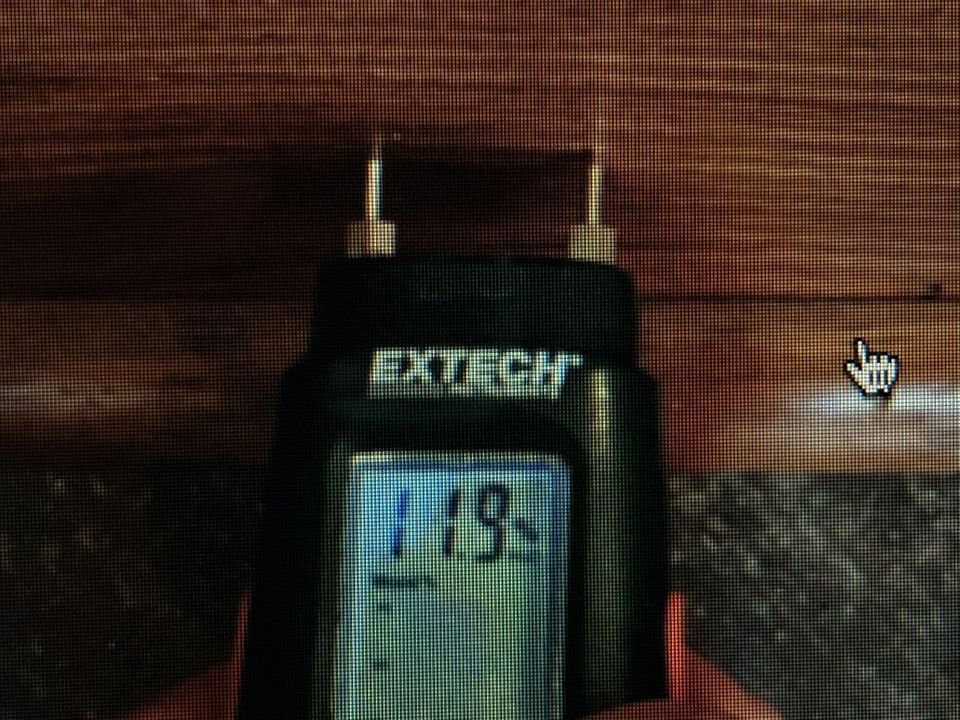
The biggest part of carpet fungus treatment is stopping the water migration or moisture then heat drying the affected areas under a properly sealed containment for 3 to 5 days. For severe cases, a fungi removal expert will need to be hired but here are some DIY steps:
- Lift up the affected carpet.
- Heat dry to extract excessive moisture. If the substrates area is really saturated, then a desiccant machine works the best.
- Perform hydrostatic water leak tests to determine where water may be leaking into your home.
- Use concentrated vinegar to remove any type of bacteria or mold that may have grown.

Carpet Fungus Removal Costs
The cost of removing carpet fungus all depends on how bad the fungus is. For a localized area, a typical dry-out treatment costs as low as $650. If there are high elevated moisture issues in the carpet and it has spread into walls and baseboards, this removal cost can be as high as $5500 including leak detection work.
Crawl Space Fungus
The next most common fungus treatment that Twin Home Experts performs is crawl space fungus removal. Check out this case study of a crawl space we recently performed where our customer spent thousands with other remediation and environmental testing. After a year or so of living there, the crawl space fungus came back with a vengeance:
It’s super important to understand that crawl space fungus treatment is not a typical mold removal job. Twin Home Experts sees homeowners getting sucked into paying for environmental mold air testing in their crawl space. If you have visible mold growth, this testing is a complete waste of time and money as it doesn’t matter what species of mold it is. All mold species get treated the same way. Also, lab testing for fungus does not make sense if it is visibly growing. It is best to spend your money toward removal and then perform testing after the removal to make sure you don’t have any mold cross contamination.
Crawl Space Fungus Removal Costs
The removal of fungus from your crawl space can start as low as $1200 and be as high as $25,000. This is all dependent on several factors:
- How much crawl space is affected?
- How much soil is wet and needs to be removed?
- How many treatments will be required?
- How much leak detection needs to be performed?
- How much waterproofing needs to be applied?
- How much mold did it cause inside the home?
It is crucial to get several professional estimates to make sure you find the right person at the right price.
Poria Incrassata Fungus
The most challenging and damaging fungus is Poria Incrassata, known as “the house eating fungus”. This fungus causes the most damage to a home’s structure and removal can be daunting.
Poria Incrassata Treatment & Prevention
Poria Incrassata (or the house eating fungus) requires very specific removal steps. Here is a macroview of the steps we take here at Twin Home Experts.
- Heat. Poria does not like heat. During removal, heat is introduced into a proper sealed containment using a desiccant machine. This has to be set up properly to not cause damage to your home.
- Demolition and Removal. Careful demolition of the affected areas has to be removed but done in a way to be able to trace out the starting place of the rhizomorphs (rootlike cluster of fungal branching filaments.)
- Water Leak Testing. Hydrostatic water leak tests are performed to pinpoint breeches in the substrates (where the fungus is growing).
- Detecting Source. A meticulous following of the path of the root system is executed to identify the source of the fungus.
- Waterproofing and Soil Treatment. Final steps in preventing fungus from coming back.
Does Insurance Cover Fungus Removal or Damage?
Fungus removal is typically NOT covered by insurance because it’s considered long term-damage. Visually it causes dry rot which is evident that it’s been there a while.
Keep Fungus at Bay
When it comes to the different fungus that may enter into your home’s environment, it’s very important to make sure you find the source and then perform proper prevention steps to eliminate fungus from coming back. Make sure your exterior is waterproof tight, the contaminated roots system is gone, and the soil is treated.